





An overview
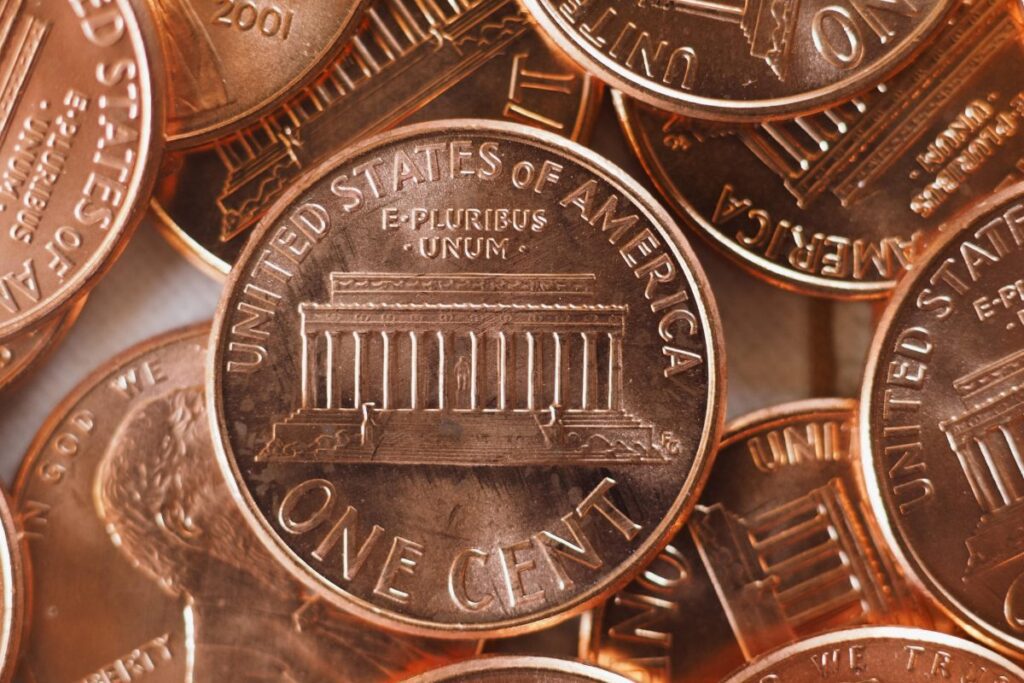
Congress passed the Common Cents Act (H.R. 10167), which ends the production of pennies for general circulation and creates a federal method for rounding cash transactions to the nearest 5 cents. The U.S. Mint can still produce pennies as collectibles, and existing pennies will remain as legal tender.
The legislation was the result of rising costs to manufacture pennies. At approximately 3.7 cents per coin, each penny cost the government more to make than it was worth.
How do the Common Cents Act cash rounding rules work?
While rounding is optional for now, businesses that choose to round cash totals to the nearest 5 cents would need to:
- Round totals ending in 1 or 2 cents down to 0 cents
- Round totals ending in 3 or 4 cents up to 5 cents
- Round totals ending in 6 to 7 cents down to 5 cents
- Round totals ending in 8 or 9 cents up to the next 10 cents
These rules apply only to cash transactions. Credit card, check, and other electronic payments still settle for the exact amount.
Does the Common Cents Act override state rounding laws?
Yes, these federal rules override any state or local laws that provided a different rounding method or that banned rounding. Business groups strongly endorsed this legislation as a way to simplify compliance with across state and local jurisdictions.
What should businesses do now?
If you accept cash, review your point-of-sale settings so rounding applies only to cash payments and only after sales tax is calculated. Track rounding adjustments separately to help keep cash drawers and books in balance.
Have questions about how the Common Cents Act could affect your business? Aprio’s tax advisors can help you understand what these changes mean for you.