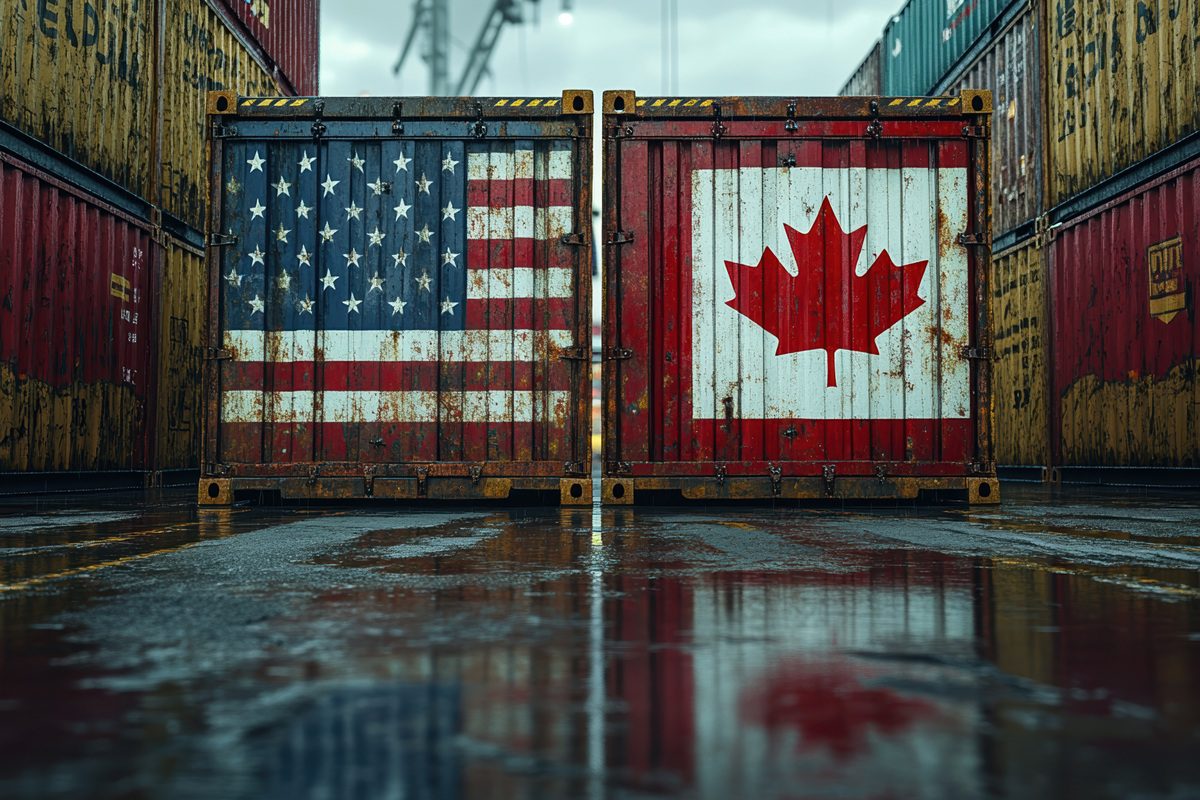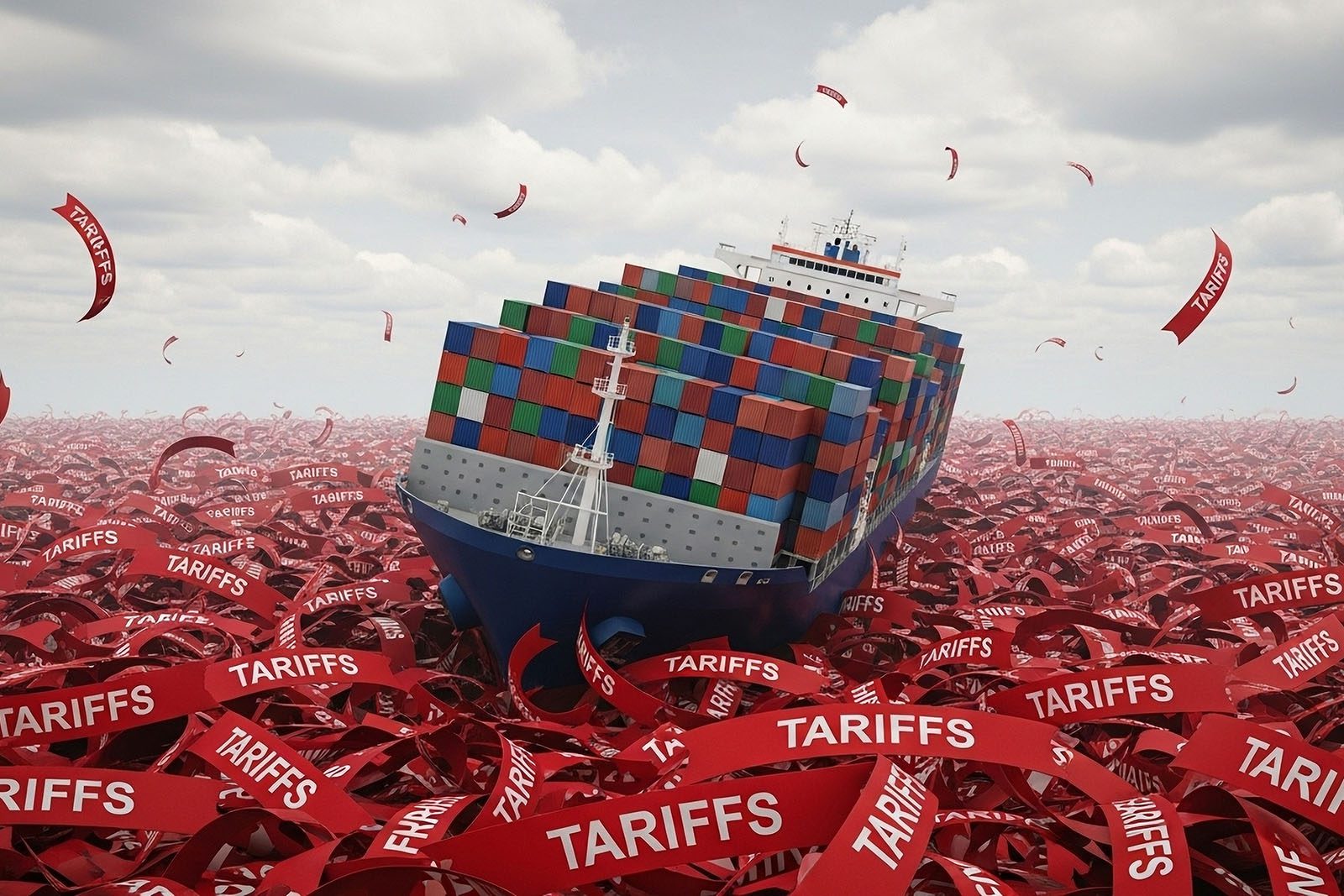



Summary: Canadian imports may be getting more expensive as three presidential proclamations impose an additional 50% duty on hundreds of Canadian-origin products entered on or after August 22, 2026. The impact extends far beyond alcohol, dairy, and motor vehicles and does not shield listed goods from the added duty. For many businesses importing from Canada, now is the time to review your classifications and identify potential duty exposure.
When does the new 50% tariff on Canadian imports take affect?
On July 20, 2026, the United States announced three separate presidential proclamations under Section 338 of the Tariff Act of 1930, imposing an additional 50% ad valorem duty on specified products from Canada. Section 338 authorizes the President to impose duties when a foreign country is found to discriminate against or otherwise burden U.S. commerce.
On August 18, 2026, the President temporarily suspended the duties from August 19 through August 21, 2026. As a result, the additional duties apply to covered Canadian goods entered for consumption, or withdrawn from warehouse for consumption, on or after 12:01 a.m. Eastern time on August 22, 2026.
What products are covered by the Section 338 Canada tariffs?
The three Canada proclamations create Chapter 99 headings 9903.03.12, 9903.03.13, and 9903.03.14, each applying a 50% additional ad valorem duty to listed Canadian-origin products entered on or after August 22, 2026.
The category names describe why each proclamation was issued, not the full range of goods it reaches, so a product with no obvious connection to automobiles, alcohol, or can be listed.
The covered products include:
- Alcoholic beverages
- Dairy and dairy-related products
- Broader “motor vehicles” proclamation list: although tied to Canada’s treatment of U.S. motor vehicles, this list is much broader than finished vehicles or auto parts.
- The Annex II list under Harmonized Tariff Schedule of the United States (HTSUS) heading 9903.03.14: covers hundreds of specific HTSUS classifications across numerous industries, including certain agricultural products, chemicals, plastics, leather goods, paper products, textiles, machinery, electronics, sporting goods, and consumer products. Specific products include:
-
- Natural honey
- Animal products and botanical materials
- Bulbs, plants, cut flowers, seeds, hops, seaweed, and vegetable extracts
- Baking mixes and certain food preparations
- Cement and salt
- Chemicals, essential oils, cosmetics, adhesives, waxes, fatty acids, sorbitol, glycerol, and chemical mixtures
- Plastics, plastic packaging, plastic floor coverings, fittings, lids, closures, office/school supplies, and other plastic articles
- Rubber articles
- Leather goods, handbags, containers, gloves, belts, saddlery, and travel goods
- Wood, lumber, plywood, fiberboard, paper, paperboard, cartons, printed materials, and packaging products
- Textiles, yarns, nonwovens, carpets, fabrics, apparel, sweaters, coats, suits, dresses, and related textile articles
- Furniture and consumer goods
- Machinery, electrical equipment, telecommunications equipment, printed circuit boards, and other electronics
- Sporting goods, including hockey sticks and other hockey equipment
- Fishing rods, toys, wigs, swimming pools, and other miscellaneous consumer products
Coverage should be confirmed against the specific HTSUS provisions listed in U.S. Note 51(b)(3).
What are the filing requirements for Section 338 entries?
U.S. Customs and Border Protection (CBP) has issued specific entry filing instructions for the Section 338 measures, including reporting order requirements when multiple Chapter 98 and Chapter 99 provisions apply. The guidance also confirms that the additional duties are generally eligible for drawback and provides special rules for Chapter 98 claims and foreign trade zone admissions.

What key rules apply to importers of Canadian goods?
- Rate: The additional duty is 50% ad valorem and applies in addition to ordinary customs duties and other applicable duties, fees, taxes, or trade remedies unless an exclusion applies.
- USMCA treatment: Goods that qualify as originating under the United States-Mexico-Canada Agreement (USMCA) are not exempt from the Section 338 duty if their HTSUS classification is listed and the goods are of Canadian origin.
- Country of origin: The measures apply to covered products of Canada. Non-Canadian-origin goods are outside the scope of the Canada-specific Section 338 action.
Which products are excluded from the Section 338 Canada tariffs?
Reported exclusions include certain energy products, potash, fish, critical minerals, goods already subject to Section 232 measures, and certain other specified products.
What should importers do now?
Section 338 coverage is defined by tariff classification, not by industry, so the review starts with your own entry data.
- Confirm scope by classification – check each Canadian-origin product’s HTSUS classification against U.S. Note 51 and the annex lists rather than relying on product category names.
- Model your landed cost – layer the additional 50% on top of every other duty, fee, and trade remedy that already applies to covered entries.
- Revisit reliance on USMCA – preferential origin does not remove the Section 338 duty, so pricing built on duty-free treatment may need a second look.
- Re-examine origin and sourcing – confirm country of origin, bills of material, and supplier declarations, since non-Canadian-origin goods fall outside the action.
- Review drawback and Chapter 98 positions – work with your customs broker on filing order, drawback eligibility, and foreign trade zone treatment.
Final thoughts: preparing for the Section 338 Canada tariffs
The Section 338 duties are in effect, and coverage is defined by tariff classification rather than by industry. That makes a classification and origin review the most valuable step you can take right now.
The cost of unknowns here is quiet: duties paid on goods no one flagged as covered, and pricing set before anyone modeled the change. If you import from Canada, confirm your exposure against U.S. Note 51 and revisit your landed-cost assumptions.