



Summary: The results of the 2026 midterm elections showed that economic concerns are highly important to voters and shifted control of Congress. Tax law for the 2026 tax year is largely set, but 2027 is less certain. Here’s what the results may mean for your year-end tax planning and how to stay flexible for what comes next.
How the 2026 midterm election reshaped Congress and the tax outlook
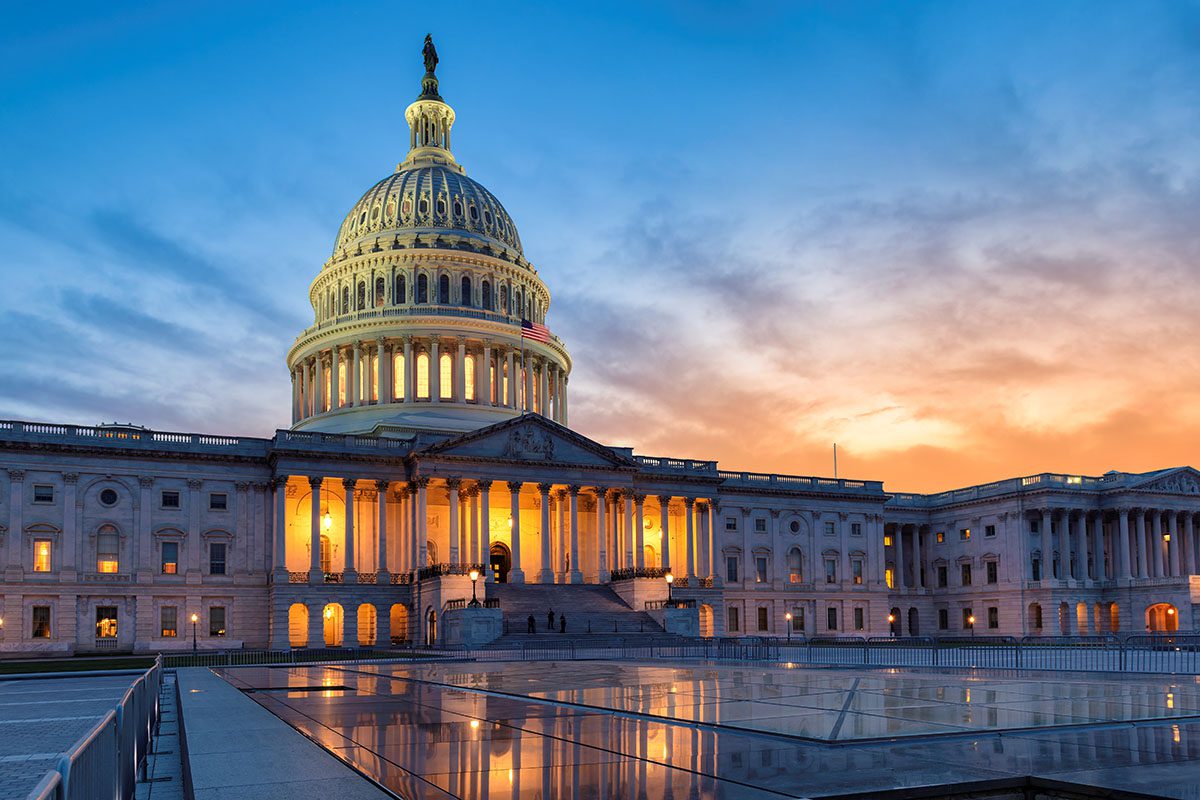
Democrats won the majority in both the House and Senate in the 2026 midterm elections, as voters headed to the polls with many key issues on their minds: affordability, AI, data centers, and other economic concerns. Starting in 2027, there will be a divided government, after two years in which Republicans controlled the White House, House, and Senate. A new Congress also may bring uncertainty related to future tax policy, which means taxpayers will need to plan with both preparation and flexibility in mind.
What drove voters in the 2026 midterms?
No one can predict the future of tax law, but voter sentiment can offer helpful clues. Frustration with rising costs and unease about how quickly the economy is changing were among the concerns voters expressed. Understanding what’s driving these concerns may offer a glimpse into the policy priorities that lie ahead.
Affordability weighed heavily on many voters in these midterm elections. In exit polling by The Voter Poll by SSRS for AP, nearly 79% of voters surveyed said inflation has caused their families at least moderate hardship, a concern that sent many voters to the polls looking for change. The same poll found that 39% of voters named the economy as the most important issue facing the country, more than any other issue.
Voters also showed growing skepticism around AI and the rapid buildout of data centers. Many voters connect data centers to rising energy costs, which ties directly back to the growing concern over affordability. That sentiment showed up at the ballot box where 41 data center initiatives were listed, and nearly all were rejected.
With those priorities in mind, here’s how the results may shape tax planning for the rest of 2026 and into 2027.
From defensive planning to finding opportunities
Before the One Big Beautiful Bill Act (OBBBA) was signed in July 2025, many advisors planned defensively in case provisions in the Tax Cuts and Jobs Act (TCJA) expired. The OBBBA made many of those TCJA provisions permanent and added new ones, and IRS guidance has started to arrive. That shifted the main planning question from “what might happen?” to “what are we leaving on the table?”
Several OBBBA provisions are worth a closer look before December 31
- Bonus depreciation – 100% bonus depreciation is now permanent for qualifying property acquired and placed in service after January 19, 2025. If you’re planning equipment or other asset purchases, placing them in service before year-end can help accelerate deductions into 2026.
- Domestic research and experimental expenses — Under new Section 174A, businesses can once again deduct domestic research costs in the year they’re incurred instead of amortizing them over five years.
- State and local tax (SALT) deduction — The federal SALT deduction cap rose to $40,000 for 2025 and increases 1% a year through 2029, but it phases down for taxpayers with modified adjusted gross income above $500,000. The cap is scheduled to return to $10,000 in 2030.
- Qualified business income (QBI) deduction — The 20% deduction for owners of pass-through businesses under Section 199A is now permanent.
- Estate and gift tax exemption — Beginning in 2026, the exemption is $15 million per individual ($30 million for married couples) and will be indexed for inflation.
Next steps for 2026 year-end tax planning
Now is a good time to reevaluate your tax strategies and structures to uncover opportunities and help improve potential savings. For more on how the OBBBA affects the 2026 tax year, see Aprio’s 2026 Year-End Tax Planning Guide. It covers planning ideas you can still act on before year-end. Because the guide reflects tax law enacted for 2026, getting an early start on 2027 planning can help you stay adaptable as the tax landscape shifts.
What do the midterm election results mean for 2027 tax planning?
Once the new Congress is seated, Democratic leaders may look to revisit parts of the OBBBA. Since every Democrat in Congress voted against the bill in 2025, proposals to repeal or modify some of provisions in the OBBBA are possible. What those proposals would like, and whether they could pass is still unknown. That uncertainty is a reason to prepare now.
How to prepare for a range of outcomes
For some taxpayers, that may mean:
- Using known tax-saving strategies in 2026 in case they change for 2027 or 2028.
- Delaying major business decisions, such as a sale or a large equipment purchase, until there is a clearer picture of the tax treatment.
- Setting aside funds for unexpected tax bills.
There is no one-size-fits-all approach here. The right plan depends on your income, your business, and your goals.
Why timing matters: New tax laws can reach back
It’s also worth noting that new tax laws don’t always start on January 1. The OBBBA was signed in July 2025, yet its 100% bonus depreciation rules apply to property acquired after January 19, 2025. Future legislation could take a similar approach and reach back to an earlier date. That’s another reason to document the timing of major transactions carefully and revisit your plan as tax proposals advance.
Build a tax plan that works either way
Even with the majorities in both chambers, Democratics would still require President Trump’s signature, or a two-thirds vote in each chamber to override a veto, and turn any proposed legislation into law. That makes any sweeping tax changes without bipartisan support difficult to pass. Early planning can help you build flexibility for potential changes and keep a plan in place if the rules stay the same.
Lawmakers also have another tool: budget reconciliation allows certain tax and spending bills to pass the Senate with a simple majority instead of the 60 votes usually needed to end debate. Republicans used reconciliation to pass the OBBBA in 2025. A reconciliation bill still needs the President’s signature, though, so in a divided government, major tax changes are likely to require some degree of compromise.
No one can accurately predict the likelihood or timing that any specific proposals will make it through the legislative process and become law. What you can do is understand how each possibility would affect you.
Final thoughts: Plan now for 2026 and stay flexible for 2027
The 2026 tax year is quickly coming to a close, and the midterm results are unlikely to change the rules for the upcoming tax filing season. But the outlook for 2027 is less certain.
Voters sent a clear message to Congress to address affordability, inflation, the broader economy, AI, and data centers. How lawmakers respond could affect your taxes in the years ahead. Don’t let the unknowns in Washington become costly surprises on your return. Talk with an Aprio advisor about your 2026 year-end moves and your 2027 plan. The sooner your plan is in place, the more room you’ll have to adapt when changes come.