


Summary: There are several meaningful factors pulling at the economy all at once. Between the passing of the One Big Beautiful Bill (OBBB), the uncertainty around tariffs, and a lackluster labor market, both individuals and businesses must do their best to stay informed and adapt rapidly.
As today’s economic landscape continues to evolve, businesses and individuals must navigate a range of policy changes and market uncertainty. To thrive amid these challenges, it is essential for both businesses and individuals to remain agile, proactive, and ready to adapt to whatever lies ahead.
This article dives into six critical topics shaping the current landscape: the far-reaching consequences of government shutdowns, the volatility surrounding tariffs and the upcoming Supreme Court case, the ongoing debate between short-term tax stimulus and long-term reform, emerging trends in hiring and labor market dynamics, the influence of interest rates on economic policy, and the vital role of economic modeling and scenario planning.
Impact of Government Shutdowns on the Economy
Historically, government shutdowns in the United States (U.S.) have had a minimal impact on the broader economy. The average shutdown lasts between 20 to 25 days, with each week reducing the GDP by roughly 0.1%. However, since most government spending is deferred rather than eliminated, the long-term consequences of a shutdown are muted. Federal employees typically receive back pay, though contractors often do not, creating some industry-specific challenges. Shutdowns that extend beyond 25 or 30 days can have more pronounced effects, though these events are rare.
While Congress addressed the most recent shutdown with a temporary fix, the agreement reached to re-open the government is scheduled to lapse at the end of January. If Congress can’t reach agreement on either a budget or a continuing resolution, the country will face another shutdown scenario.
Despite the federal government running significant budget deficits and increased reliance on tariffs for revenue, the fiscal environment remains a concern, but short-term shutdowns have been more of an inconvenience than a major economic event.
Tariffs and Trade Policy: The Case of Learning Resources, Inc. vs. Trump
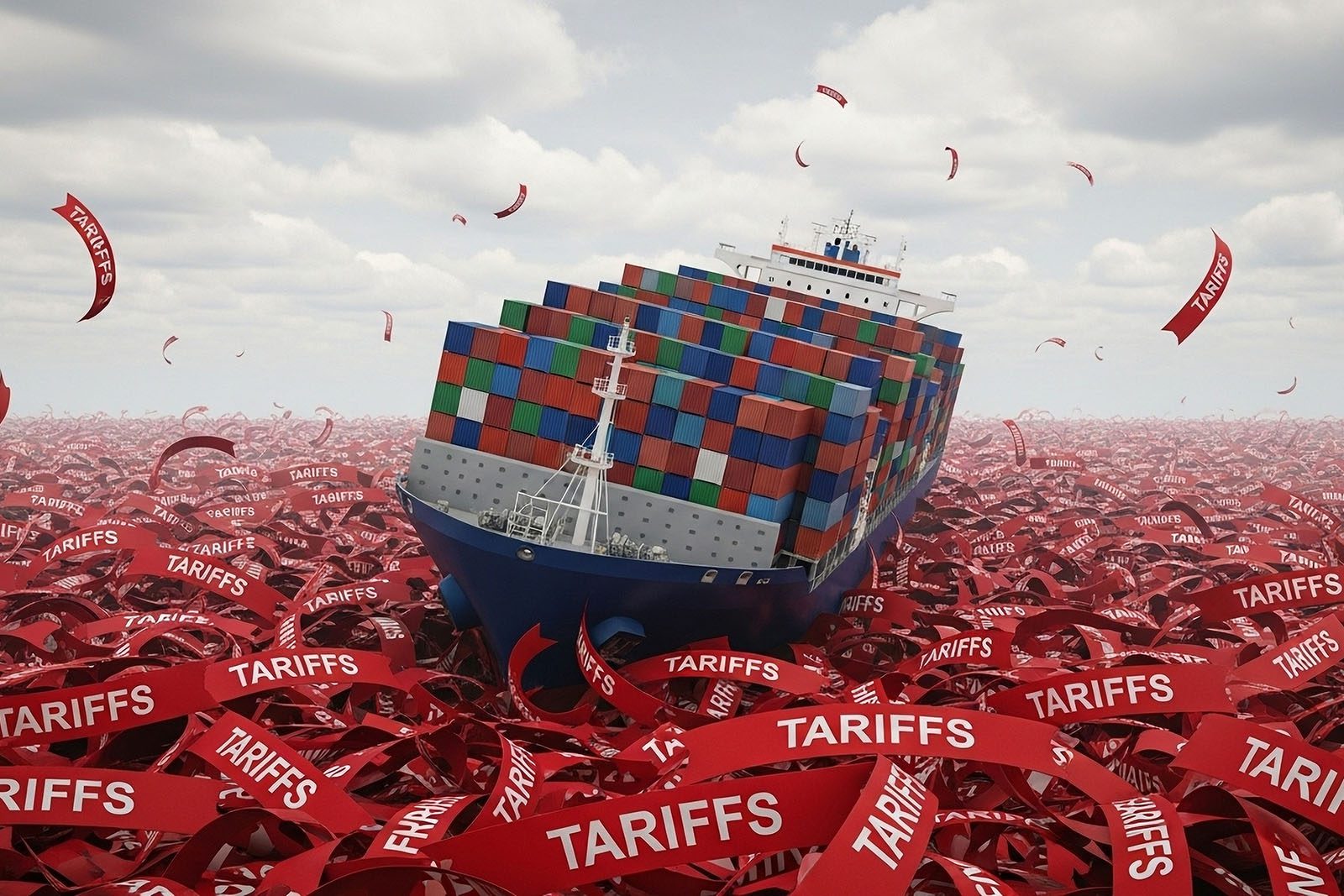
The economic consequences of a Supreme Court decision requiring tariff refunds remain uncertain, especially since much of the collected revenue may have already been spent. If the Court rules in favor of a refund, questions remain about how the process would unfold, the mechanics of issuing refunds, and the broader fiscal implications of distributing those refunds. Even if certain tariffs are ruled illegal, it is likely that alternative legal mechanisms would be used to reimpose similar tariffs, although there may be a temporary pause in their application. As a result, tariffs are expected to remain a fixture in U.S. trade policy for the foreseeable future, at least until there is a major policy shift or change in administration.
For businesses, the ongoing uncertainty around trade policy requires careful monitoring and factoring tariffs into scenario planning and financial modeling. While the prospects of refunds could create short-term cash flow changes for some importers, the longer-term environment will continue to be shaped by evolving trade measures. Staying well-informed and agile is critical, as legal and regulatory developments can change the landscape with little warning.
Tax Policy Debate: Short-Term Stimulus vs. Long-Term Reform
When considering tax policy, it is important to weigh the differences between using tax changes as a short-term economic stimulus and pursuing long-term structural reform.
- Short-term stimulus measures, such as those included in the recent OBBB, are designed with the intention of quickly injecting money into the economy to encourage spending and investment.
- Long-term reforms aim to create a more stable and efficient tax system that supports sustainable growth over time.
So far, the immediate impact of the latest tax legislation has not been fully realized, but the provisions are designed to be highly stimulative for 2026.
Accelerated Depreciation Fueling Business Economic Growth
For businesses, one of the most significant changes is the introduction of 100% accelerated depreciation for assets that previously required decades to write off. This change is intended to put substantial cash back into the hands of companies. The intent is for companies to use these funds to invest in new equipment, reshore manufacturing, and create jobs. If businesses follow the intent of the legislation, the result could be a strong boost to both the manufacturing and construction sectors.
The Consumer Dilemma
On the consumer side, several provisions are designed to increase disposable income. Raising the SALT deduction cap will benefit many homeowners while exemptions for certain tip and overtime income are designed to put more money back in the hands of lower- and middle-income consumers. Since these groups tend to spend a higher proportion of their income on necessities, the stimulus effect is likely to be more immediate and pronounced. In fact, the average tax refund is projected to increase by about $1,000, representing a 50% jump for many households. On the other hand, projected health care cost increases could equal or even exceed the benefits of these stimulus measures, particularly for those taxpayers receiving coverage through the Affordable Care Act marketplaces.
Balancing Relief and Higher Costs
Short-term tax measures can have an impact on consumers, putting more money back into their pockets. However, the current watchword is affordability. For a significant portion of the population, rising prices and persistent challenges meeting the increasing costs of necessary expenses continue to erode purchasing power, making it difficult for families to commit to the type of spending that drives economic growth. Merely providing short-term tax breaks such as the expanded SALT cap or the temporary tips and overtime exemptions mitigates, but does not address, the supply side issues that have given rise to the affordability challenges that many households face today.
If short-term tax measures are not the cure for taxpayers’ affordability concerns how can tax policy be utilized to address the supply side challenges that have led to higher prices? Longer term tax measures, such as provisions in the OBBB to accelerate depreciation, can lead to increased supply and lower costs if reinvested into capital expenditures that generate increased production, such as more efficient machinery. This is perhaps most visible in manufacturing businesses which regularly face large capital expenditures.
The challenge for policymakers is identifying a balanced approach that utilizes short-term stimulus measures to reduce the impact of rising costs while not sacrificing longer term policies that address both the root causes of inflation and the structural barriers to economic mobility. This gives rise to the need for a comprehensive approach balancing immediate stimulus with thoughtful, long-term reform.
Labor Market Dynamics: Hiring Trends and Policy Impacts
The current labor market conditions are being shaped by a complex mix of immigration, policy enforcement, and trade uncertainty. Immigration remains a significant factor; while many individuals seek better opportunities and higher earnings in the U.S., stricter enforcement and deportation concerns have caused some to leave the workforce, contributing to weaker hiring numbers. This trend has become increasingly apparent as policy and enforcement have shifted.
Uncertainty stemming from April’s tariff announcements, and looming Supreme Court decision, have influenced hiring activity. Business leaders, from large corporations to small enterprises, have faced periods of indecision as they assess the impact of new trade policies. While large companies have generally adapted quicker, small and mid-sized businesses have faced longer delays in decision-making. It is important to recognize that changes in hiring and investment do not happen overnight. Even when a company decides to expand or invest in new systems and staff, the effects may take months to materialize.
Political Influences on the Labor Market
As the outlook for tariffs becomes clearer, companies are budgeting and planning with greater confidence, which could lead to improved hiring, though growth may remain slower than in previous years. Looking ahead to 2026, rising capital investment and stronger demand may drive job creation, especially if manufacturing and supply chains shift to the U.S. While automation will play a key role, the need for human workers is expected to rise as companies expand operations.
Political factors will also shape the labor market as midterm elections are on the horizon. Policymakers will likely focus on creating conditions that support a strong economy and positive public sentiment, with employment growth a key part of this strategy. Job market data reveals disparities among demographic groups. Younger workers and recent graduates are facing rising unemployment, a trend that unfortunately shows little sign of reversing. The labor market remains dynamic, shaped by immigration policy, trade uncertainty, political strategy, and demographic trends, requiring businesses and job seekers to remain flexible and responsive.
Interest Rates and Economic Policy
To understand today’s interest rate environment, one must start with examining the yield curve, which illustrates the relationship between bond yields and their maturities. In a typical market, the curve slopes upward, meaning longer-term bonds pay higher yields to compensate investors for locking up their money for more time. The Federal Reserve (the Fed) controls the short end of the curve by setting overnight interest rates, which influence short-term borrowing costs like three- to six-month loans. These rates, including the federal funds rate, are currently around 3.50% to 3.75%. Longer-term rates, such as those on 10- and 30-year Treasury bonds, are set by market forces and reflect expectations for inflation, economic growth, and the government’s fiscal health.
Recent policy discussions advocate for lower short-term rates, which would reduce borrowing costs for consumers and businesses, especially for credit cards and other floating-rate debt. Mortgage rates, typically tied to the 10- or 30-year Treasury yields, would also be indirectly affected if the entire yield curve shifts downward.
Looking ahead, the Fed’s voting members may shift toward those more focused on employment than inflation, raising the likelihood of a more favorable policy stance. While lower rates could boost economic activity, there is always a risk of overstimulation. The interplay between Fed policy, the yield curve, and fiscal considerations will remain central to the economic outlook, with interest rate decisions likely to have significant implications for both consumers and businesses in the year ahead.
Economic Modeling and Scenario Planning for Uncertainty
Scenario modeling has become an essential tool for businesses navigating today’s shifting tax policy and economic environment. The most effective models encompass a range of outcomes, from the most probable to both downside and upside scenarios. This process helps businesses identify which variables are within their control and how to adjust as conditions evolve.
The application of scenario modeling varies by industry. Manufacturers, for example, may have more flexibility to adjust labor or production in response to demand, while healthcare providers often have less room to maneuver due to the stable nature of their services. Regardless of industry, modeling cash flows under different scenarios is critical, especially for sectors where demand is more discretionary and sensitive to tariffs or changing consumer preferences. Recent data shows that products exposed to tariffs, such as apparel and electronics, have experienced weaker demand, highlighting the importance of stress-testing cash flow projections.
Adopting the 13-week cash flow model allows businesses to monitor liquidity closely and make informed decisions as new information emerges. Regularly updating the model and layering in different scenarios enables companies to anticipate challenges and opportunities, ensuring agility in a dynamic environment.
Understanding the Broader Economic Framework
Fiscal stimulus, from government spending and tax policy changes, combined with monetary stimulus from the Fed’s actions, such as interest rate adjustments and quantitative easing or tightening, influence the business landscape. Currently, both fiscal and monetary policy are supporting growth, with government initiatives and lower interest rates working together to stimulate the economy. This alignment suggests businesses should be prepared to model growth scenarios, even if recent employment numbers have been lackluster.
The labor market has also shifted, with fewer job openings and voluntary quits, leaving employers and employees cautious. This evolving landscape underscores the importance of revisiting forecasting models regularly. Robust scenario planning, frequent cash flow modeling, and an understanding of the broader economic context are key for businesses aiming to navigate uncertainty and respond effectively to whatever the future holds.
Final Thoughts: Staying Agile in a Shifting Economic Landscape
The current economic climate is defined by a blend of government policy, global trade dynamics, tax legislation, labor market shifts, monetary policy, and the need for robust scenario planning. By prioritizing scenario planning, ongoing cash flow modeling, and staying informed about policy changes, businesses and individuals can better navigate uncertainty and position themselves for success in the evolving landscape. The interplay of these six key topics will continue to define the outlook for taxes and the economy in the months ahead.